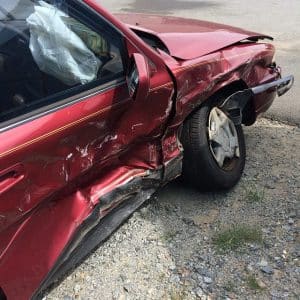
Are car accident settlements taxable in Utah? Generally, no, settlements for personal injuries, pain and suffering, and property damage associated with a car accident are not taxable at the state or federal level.
It is not uncommon for victims to question the tax implications in these cases. Working with a car accident lawyer in Salt Lake City may be able to help.
Most Car Accident Settlements Are Not Taxable in Utah
In most cases, settlements related to physical injuries are not treated as taxable income. This is because these damages are intended to repay you for something lost, whether that be a financial loss or a loss as a result of your pain and suffering. Common items that are compensated in car accident claims can include:
- Medical expenses, including hospital bills and follow-up care
- Pain and suffering connected to physical injuries
- Costs of rehabilitation, therapy, or long-term care
These payments are meant to restore the victim to their pre-accident condition as much as possible, which is why they are not considered taxable income. A personal injury lawyer in Salt Lake City may be able to help or connect you with a tax professional to ensure you are not being taxed where you shouldn’t be.
For a free legal consultation, call (801) 266-0999
Lost Wages May Be Taxable in Some Situations
Lost wages are another commonly reimbursed item after a car accident. This can differ from other forms of reimbursement because it would be replacing income that you would normally be taxed on as part of your income taxes.
Lost wages and loss of earning potential payments in your settlement are designed to cover any missed paychecks that you would have otherwise had if you had been able to work, along with compensating you in the event that your ability to increase your income in the future is diminished as a result of the accident.
So, are car accident settlements taxable in the state of Utah? Typically, the majority of them are not, but there are some situations where taxes you would have otherwise paid may come out of the settlement, depending on how it is structured and what categories are used.
Emotional Distress Damages May Be Taxable
Emotional distress damages can be tricky when it comes to whether or not your car accident settlement is taxable in the state of Utah. They are not as straightforward as medical expenses or lost wages because, depending on what causes the distress, they may be viewed differently (IRS Publication 4345).
If the emotional distress is directly tied to a physical injury, it is typically not taxable. This is because it would fall under the medical reimbursement portion of the settlement, making it untaxable at both the federal and state levels. It all depends on how it is written in your settlement offer.
If the emotional distress exists on its own without physical injury, then it may be taxable. It can be challenging to determine which category your claim falls under. Working with an attorney is one way to help simplify the process and help you understand what would apply to your specific case.
Click to contact our personal injury lawyers today
Property Damage Compensation Is Typically Not Taxed
While some portions of your car accident settlement may be taxable in Utah, property damage is often treated like medical expenses and is not considered to be a taxable item. This is because any payment would be reimbursement to make you whole again, not compensation such as wages or additional income.
Property damage may include vehicle damage or damage to items inside the vehicle. Generally, the item and damage are evaluated by insurance adjusters, and they determine the value of the items. They often lowball at first, so working with an attorney can be essential to ensure you receive full compensation.
Taxation on these items typically only occurs if the amount received exceeds the actual value of the damaged property. This is not common, so generally, this portion of car accident settlements is not taxable in Utah.
Complete a Free Case Evaluation form now
How Your Settlement Is Structured Can Affect Taxes
When determining how to structure your settlement, it is important to take taxes into account. Generally, a settlement will be written and divided into categories, so you must make sure everything is accurate to ensure proper taxes are paid and that you are not overpaying.
Clearly identifying what portion of the settlement is intended to cover medical expenses, lost wages, property damage, or other items may help avoid confusion and ensure everything is being correctly accounted for.
Your attorney can help you understand what a fair settlement for a car accident is and verify that your settlement is structured correctly and effectively so that you are receiving full compensation for what you are owed.
Consulting a Professional Can Help You Avoid Tax Mistakes
When it comes to the aftermath of a car accident, you do not have to face it alone. Working with a skilled attorney can help you recover maximum damages for your suffering, and working with a financial professional can help to make sure you don’t accidentally give these essential dollars away by mistake.
Your attorney can help you to structure your settlement in a way that will be most beneficial for you, but given that some portions of a car accident settlement are taxable in Utah, it is important to have a tax professional review everything before filing your taxes.
Working with a professional can help you feel confident, knowing that everything has been reviewed and evaluated by a qualified financial expert. This can help to prevent any accidental over- or underpayments at both the state and federal levels for your taxes.
Siegfried & Jensen Is Here to Help
After a car accident, you have enough to deal with when it comes to your own recovery. By working with a qualified attorney with Siegfried & Jensen, you can spend your energy healing rather than worrying about taxes. Contact us today to set up your free consultation to see what your car accident case may be worth.
Call or text (801) 266-0999 or complete a Free Case Evaluation form