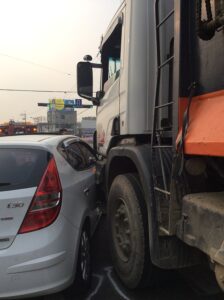
Are truck accident settlements taxable in Utah? For the most part, truck accident settlements in Utah are not taxed, except for lost wages, emotional distress, interest, and punitive damages.
While a settlement is designed to help a victim recover their losses as fully as possible, it is important to prepare for taxable portions. A Salt Lake City truck accident lawyer can discuss how to proceed.
What is Included in a Truck Accident Settlement in Utah
When you have been involved in a truck accident, your lawyer advocates for you so they can negotiate and secure a settlement agreement. The agreement outlines how much compensation will be paid, how it will be paid out, and that you will waive future rights to legal action in exchange for accepting the settlement. You can generally recover several types of losses as part of a settlement.
Truck accident settlements generally include compensation for various medical expenses, lost wages, property damage, pain and suffering, emotional distress, and in some cases, punitive damages. When losses are directly tied to your injuries, they are generally not taxed by the federal government or the state of Utah. However, some exceptions may apply, so it is important to understand this ahead of time.
Additionally, it can be important to understand how your truck accident settlement is allocated so you know what portions, if any, may be taxable. If there are taxable portions, you should be aware of how much you may be required to pay taxes on, so you do not over- or underpay when filing tax documents after a settlement. In addition to your lawyer, it can also be helpful to consult a financial professional.
For a free legal consultation, call (801) 266-0999
What Parts of a Utah Truck Accident Settlement May Be Taxed Under Federal and State Law
There are a few exceptions that might apply to make your Utah truck accident settlement taxable. For example, medical expenses are usually tax-free unless you have already taken a deduction for those expenses. You may not claim the same expenses twice. Additionally, if you suffered emotional distress that was not directly tied to your injury, then you may have to pay taxes on that portion as well.
Some settlement agreements may also include punitive damages, which are used to punish and deter offenders who were grossly negligent, reckless, or malicious. These damages then provide you with additional compensation beyond what you recover through economic and non-economic damages. Because they are extraneous, punitive damages are generally taxed on the state and federal levels.
Any interest that may accrue on your settlement may also be considered a taxable portion of your settlement since it is additional compensation in your pocket. Lawyers can help you determine the impact this can have on your case and taxability. Be sure to discuss all the details of your settlement with your lawyer so you are clear on your responsibilities and the ramifications of settlement funds.
Navigating and Minimizing Your Tax Burden After Receiving a Truck Accident Settlement in Utah
While personal injury compensation is generally not taxed if the covered losses are directly tied to your physical injuries, extraneous compensation, such as punitive damages, may result in taxable portions of truck accident settlements. Navigating what this means for you requires understanding the details of your settlement and how your chosen method of settlement recovery impacts your tax burden.
There are generally two options available when you accept a settlement. You can receive a lump sum or a structured settlement. If you opt for a lump sum payment, you receive your entire settlement, but it may put you in a higher tax bracket, meaning a higher tax rate. If you choose a structured settlement that distributes smaller portions of your settlement over time, you may reduce your tax burden.
You should carefully consider and discuss your financial needs and potential tax liability with your lawyer before making a decision. They can help you minimize how much you may be required to pay in taxes, while also ensuring you have what you need for your particular situation. Your lawyer may also be able to help with negotiating a higher truck accident settlement to better offset your losses and taxes.
Click to contact our personal injury lawyers today
The Importance of Legal Representation When Securing and Receiving a Truck Accident Settlement in Utah
Given the tax implications of settlements and judgments, it is important to openly communicate with your lawyer. They understand the importance of recovering compensation and retaining as much as possible. The lawyer handling your case takes the time to answer your questions and provide clarity so you are not stressed and can feel confident about any post-settlement steps you must take.
Law firms also work to help you optimize your case for the most favorable results with minimal tax expectations. Attorneys can make recommendations early in your case about how to request damages that can help you protect more of your settlement. They are also fierce negotiators who advocate for your rights every step of the way throughout your case so you can secure a larger settlement for losses.
Truck accidents are often serious life events that can have a profound effect on your life, and legal representation helps ensure you do not unnecessarily lose valuable compensation to insurance adjusters or potentially hefty tax bills. Your legal team makes sure that you do not have to navigate settlement ramifications alone and that you have access to the support and counsel you need.
Complete a Free Case Evaluation form now
Consult Siegfried & Jensen About the Tax Implications for Your Truck Accident Settlement in Utah
Navigating federal and state taxes after recovering a settlement can be confusing. Still, Siegfried & Jensen can walk you through what to expect and what steps to take to ensure you meet your tax obligations.
We also help you structure your compensation to minimize your tax burden so you can keep more of your Utah truck accident settlement. Schedule a free consultation today to learn more.
Call or text (801) 266-0999 or complete a Free Case Evaluation form